Myths and Facts About Tennis Court Surfacing
Understanding Tennis Court Surfacing
Tennis court surfacing is a critical aspect of the game that influences playability, player comfort, and maintenance requirements. However, there are several myths surrounding this topic that can lead to misconceptions. This post aims to debunk these myths and provide factual insights into tennis court surfacing.
Myth 1: All Tennis Court Surfaces Are the Same
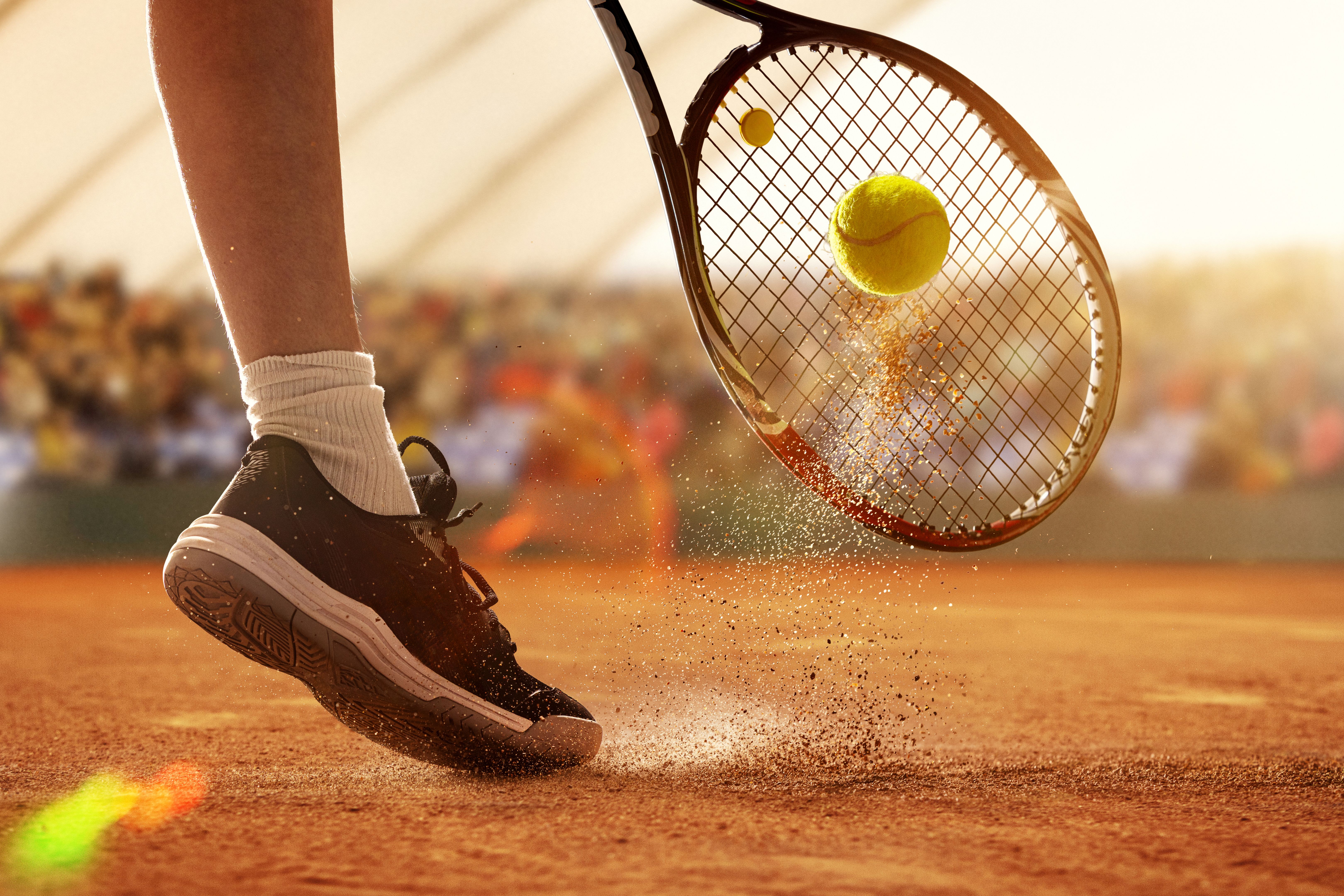
One common myth is that all tennis court surfaces are identical. In reality, there are several types of surfaces, each with unique characteristics. The most common types include hard courts, clay courts, and grass courts. Each surface type affects ball speed, bounce, and player movement differently.
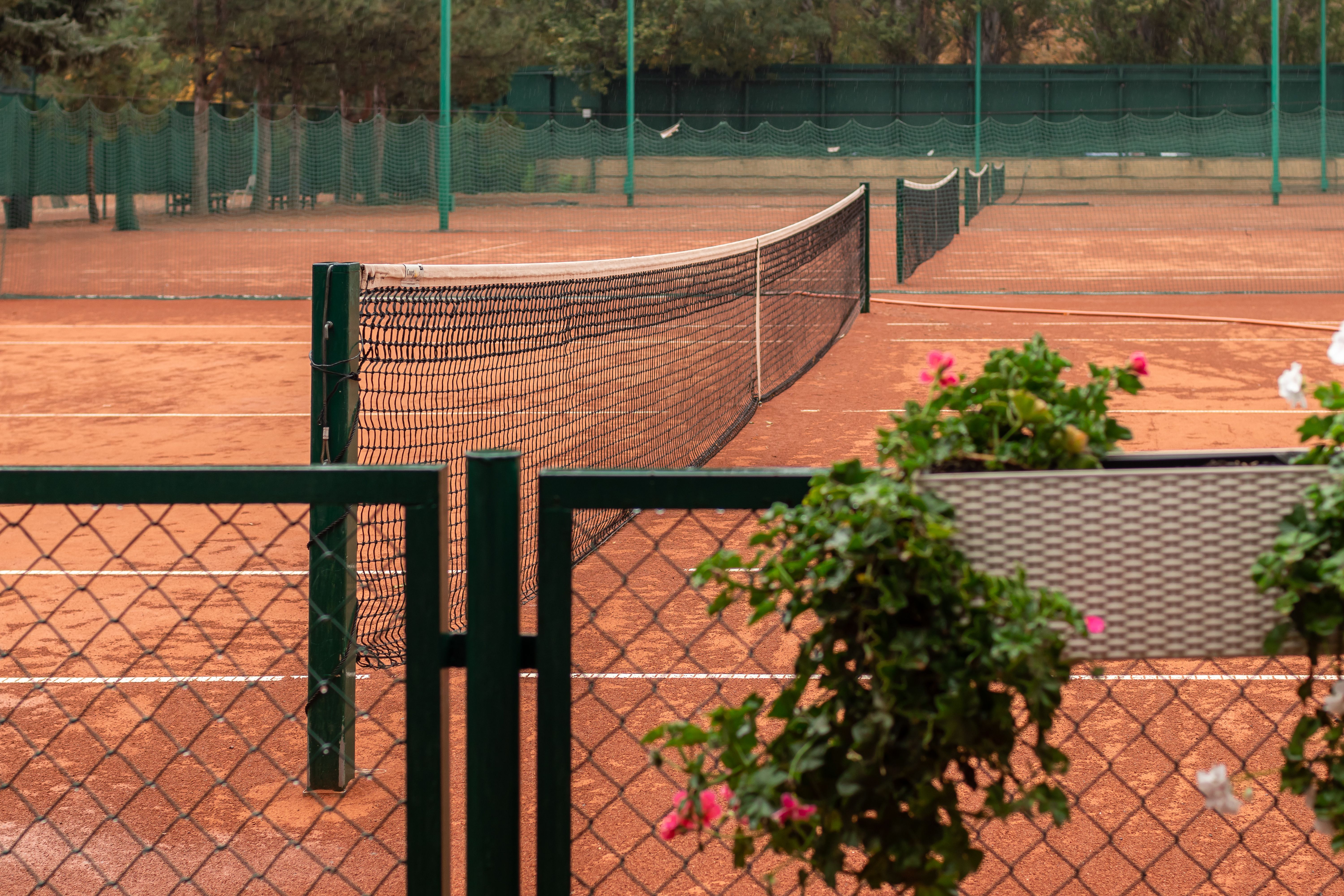
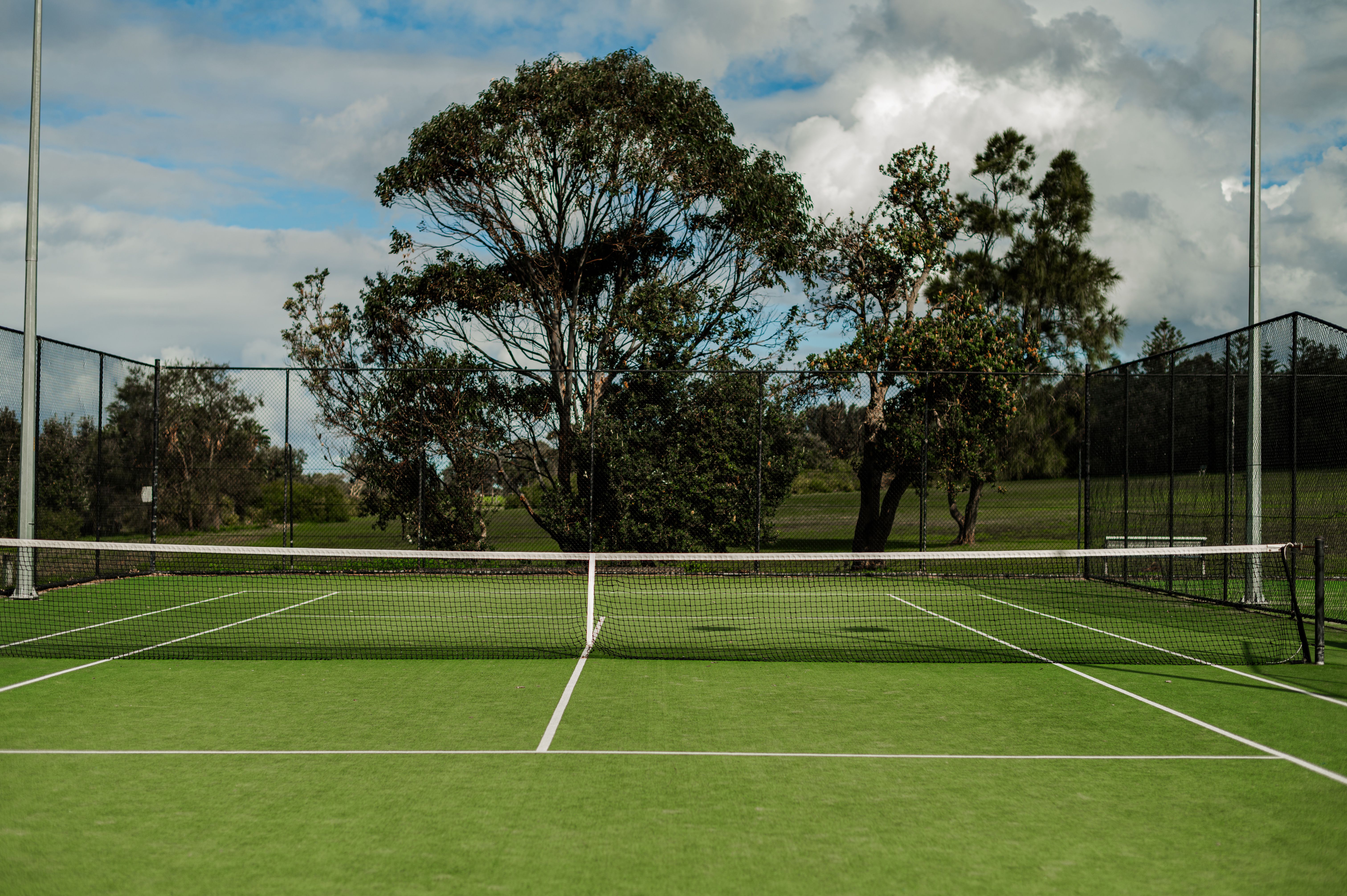
For instance, hard courts are known for their durability and relatively fast play, while clay courts offer slower play and higher bounce. Grass courts provide a fast-paced game with a lower bounce. Understanding these differences is crucial for players looking to improve their game.
Fact: Maintenance Varies by Surface Type
Another fact to consider is that maintenance needs vary significantly between different court surfaces. Hard courts typically require less maintenance compared to clay or grass courts. Regular cleaning and resurfacing every few years are usually sufficient for hard courts.
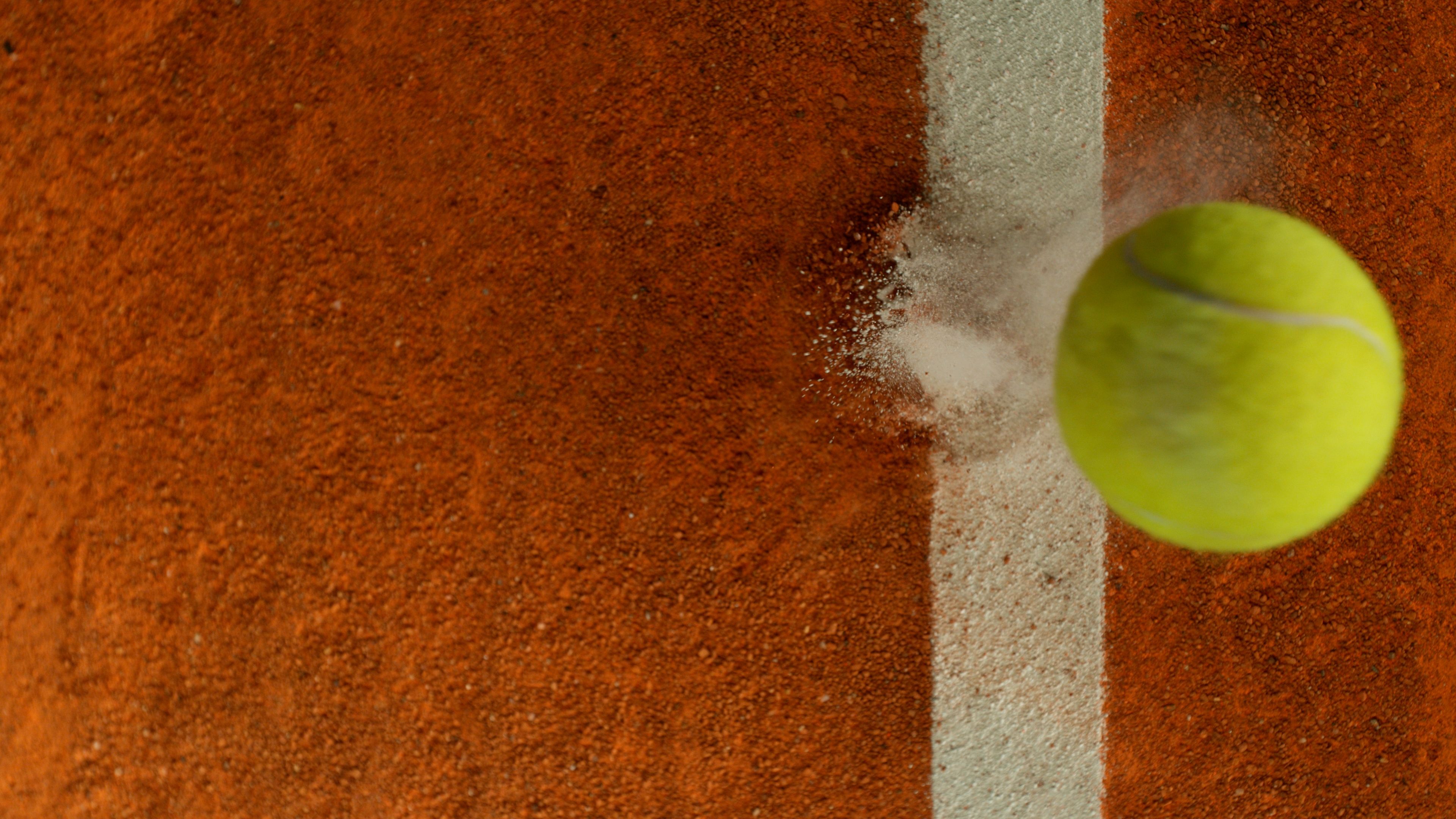
On the other hand, clay courts need regular watering, rolling, and brushing to maintain their condition. Grass courts require mowing, seeding, and consistent care to ensure optimal playability. Choosing the right surface depends on the level of commitment to upkeep.
Myth 2: Weather Conditions Don’t Affect Court Surfaces
It's a misconception that weather conditions have no impact on tennis court surfaces. Weather can significantly affect the performance and lifespan of a court. For example, excessive rain can damage clay courts, while extreme heat can cause hard courts to crack.
Proper drainage and surface treatment can mitigate some weather-related issues. It's essential to consider local climate conditions when selecting a surface type to ensure longevity and performance.
Fact: Surface Type Influences Player Performance
The type of surface can significantly influence a player's performance. Players often have preferences based on their playing style. For example, aggressive baseline players might prefer the consistent bounce of a hard court, while those who excel in endurance may favor clay courts.
Professional tournaments are played on various surfaces, and players often train specifically for the surface type they will compete on. Understanding how surface type affects gameplay can help players choose the right court for their needs.
Myth 3: Tennis Court Surfacing Is a One-Time Investment
Many believe that once a tennis court surface is installed, it requires no further investment. This is a myth. Regular maintenance and periodic resurfacing are necessary to keep the court in optimal condition. Ignoring maintenance can lead to costly repairs and reduced court lifespan.
Investing in high-quality materials and professional installation can minimize future costs, but ongoing care is essential to protect the initial investment and ensure a safe playing environment.
Conclusion
Understanding the myths and facts about tennis court surfacing is essential for players, coaches, and facility managers. By recognizing the differences between surface types, acknowledging the impact of weather, and committing to regular maintenance, you can ensure a high-quality playing experience and extend the life of your tennis court.